
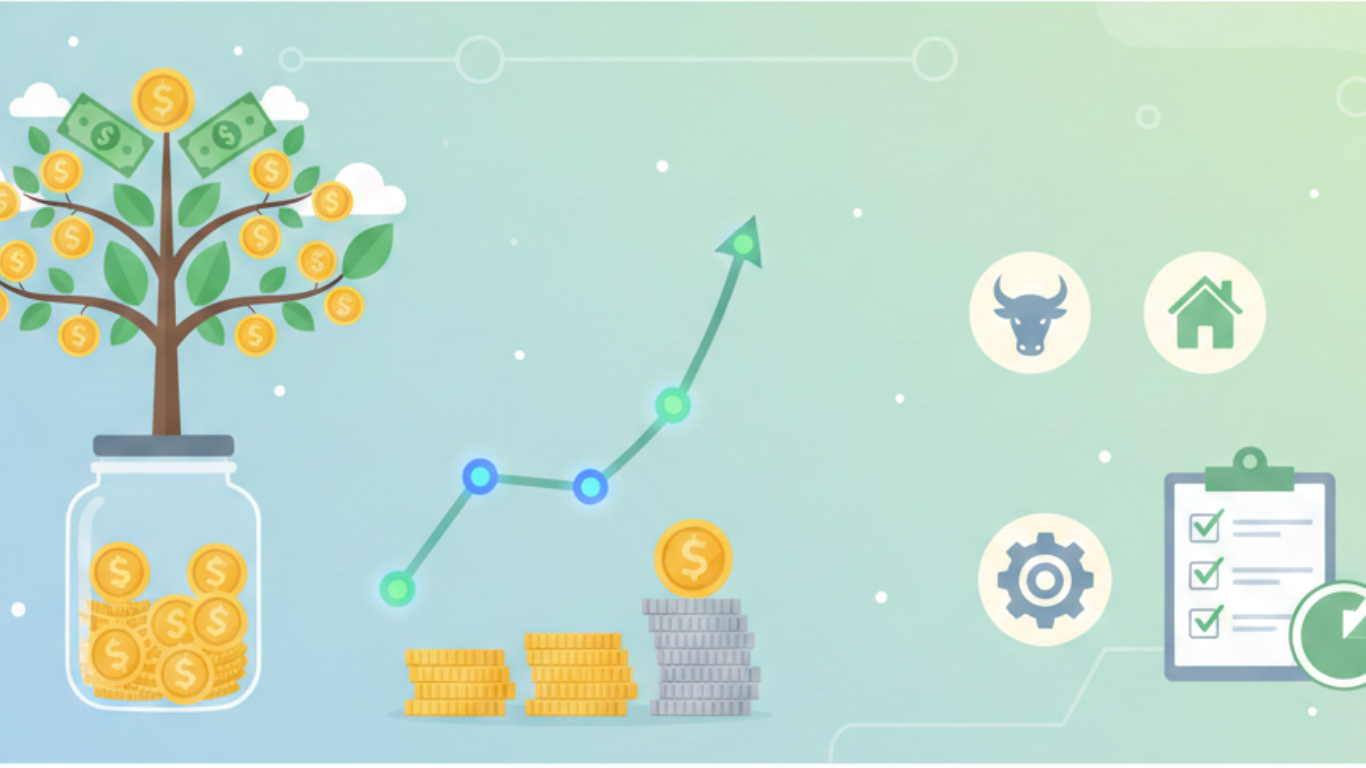
Building long-term wealth is not about earning a massive income overnight or relying on luck. Instead, it is the result of consistent, smart money habits practiced over time. Financial stability and wealth accumulation come from disciplined decisions, thoughtful planning, and a clear understanding of how money works. By developing strong financial habits early and maintaining them consistently, anyone can create a secure and prosperous future.
Understanding the Importance of Smart Money Habits
Wealth building is a long-term process that requires patience and commitment. Smart money habits help individuals manage their income effectively, avoid unnecessary debt, and gradually grow their assets. These habits create a strong financial foundation, allowing people to handle unexpected expenses, plan for primary life goals, and enjoy financial freedom later in life.
Living Below Your Means
One of the most essential habits for building wealth is living below your means. This does not mean depriving yourself of enjoyment; it means making conscious spending choices. By spending less than you earn, you create surplus income that can be saved or invested. Avoid lifestyle inflation—where expenses increase as income rises—and focus on maintaining a balanced, sustainable lifestyle.
Creating and Following a Budget
A budget is a powerful tool for understanding and controlling your finances. It helps track income, expenses, and savings goals. Creating a realistic budget enables you to identify areas for spending reduction and allocate funds to long-term goals. Regularly reviewing and adjusting your budget ensures that it aligns with changing priorities and financial circumstances.
Building an Emergency Fund
An emergency fund is essential for financial security. Unexpected expenses such as medical bills, car repairs, or job loss can derail wealth-building efforts if you are unprepared. Setting aside three to six months’ worth of living expenses in a separate savings account provides a financial safety net. This habit prevents reliance on high-interest debt during emergencies.
Saving and Investing Consistently
Consistency is key to growing wealth. Making regular contributions to savings and investment accounts helps build momentum over time. Even small, consistent investments can grow significantly over time due to the power of compound interest. Automating savings and investments ensures discipline and reduces the temptation to spend money impulsively.
Understanding the Power of Compound Interest
Compound interest is one of the most effective tools for wealth creation. It allows your money to grow not only on the initial amount invested but also on the interest earned over time. Starting early and staying invested for the long term maximizes the benefits of compounding. This habit emphasizes the importance of patience and long-term thinking.
Managing and Avoiding High-Interest Debt
Debt can either support or hinder wealth building, depending on how it is managed. High-interest debt, such as credit card balances and personal loans, can quickly erode financial progress. Paying off high-interest debt as soon as possible frees up income for saving and investing. Responsible use of credit and timely repayments help maintain a healthy financial profile.
Diversifying Income Sources
Relying on a single income source can limit financial growth and increase risk. Exploring additional income streams—such as freelance work, side businesses, or passive income opportunities—can accelerate wealth building. Diversifying income provides stability and creates opportunities for reinvesting earnings into long-term assets.
Setting Clear Financial Goals
Clear financial goals provide direction and motivation. Whether it is buying a home, funding education, or planning retirement, defining specific goals helps guide financial decisions. Breaking long-term goals into smaller, achievable milestones makes the process more manageable and rewarding.
Investing in Financial Education
Knowledge is a powerful asset in money management. Continuously educating yourself about personal finance, investments, and market trends enables better decision-making. Financial literacy helps individuals avoid common mistakes, identify opportunities, and adapt to changing economic conditions.
Practicing Patience and Discipline
Wealth building is a marathon, not a sprint. Market fluctuations, economic changes, and short-term setbacks are part of the journey. Practicing patience and staying disciplined during challenging times are crucial habits for long-term success. Avoid emotional decision-making and remain focused on long-term objectives.
The Role of Mindset in Wealth Creation
A positive and growth-oriented mindset plays a significant role in building wealth. Viewing money as a tool rather than a source of stress encourages healthier financial behaviors. Cultivating habits such as delayed gratification, mindful spending, and long-term planning supports sustainable economic growth.
Conclusion
Smart money habits are the foundation of long-term wealth. By living below your means, budgeting effectively, saving and investing consistently, managing debt, and continuously educating yourself, you can build a secure financial future. Wealth is not created through quick wins but through steady, disciplined actions over time. Adopting these smart money habits today can lead to lasting financial stability and freedom in the years ahead.