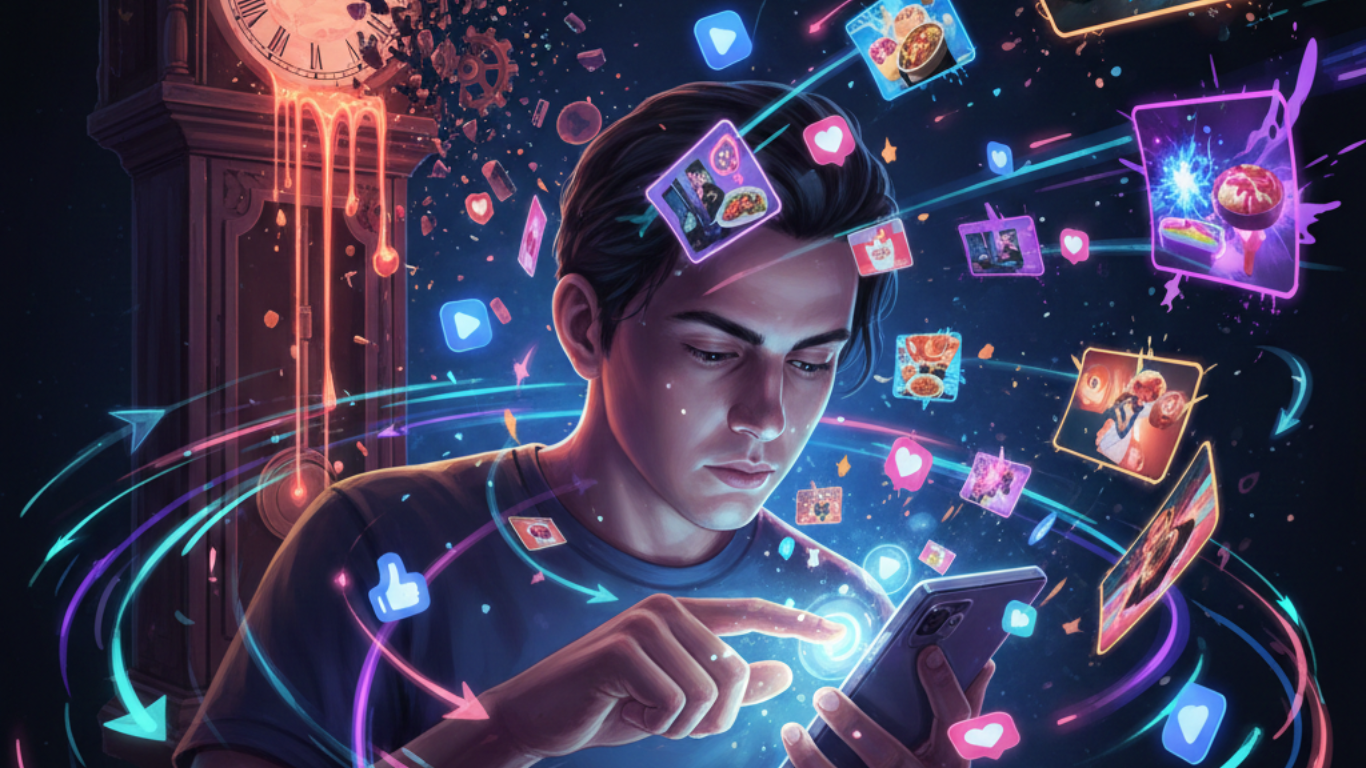
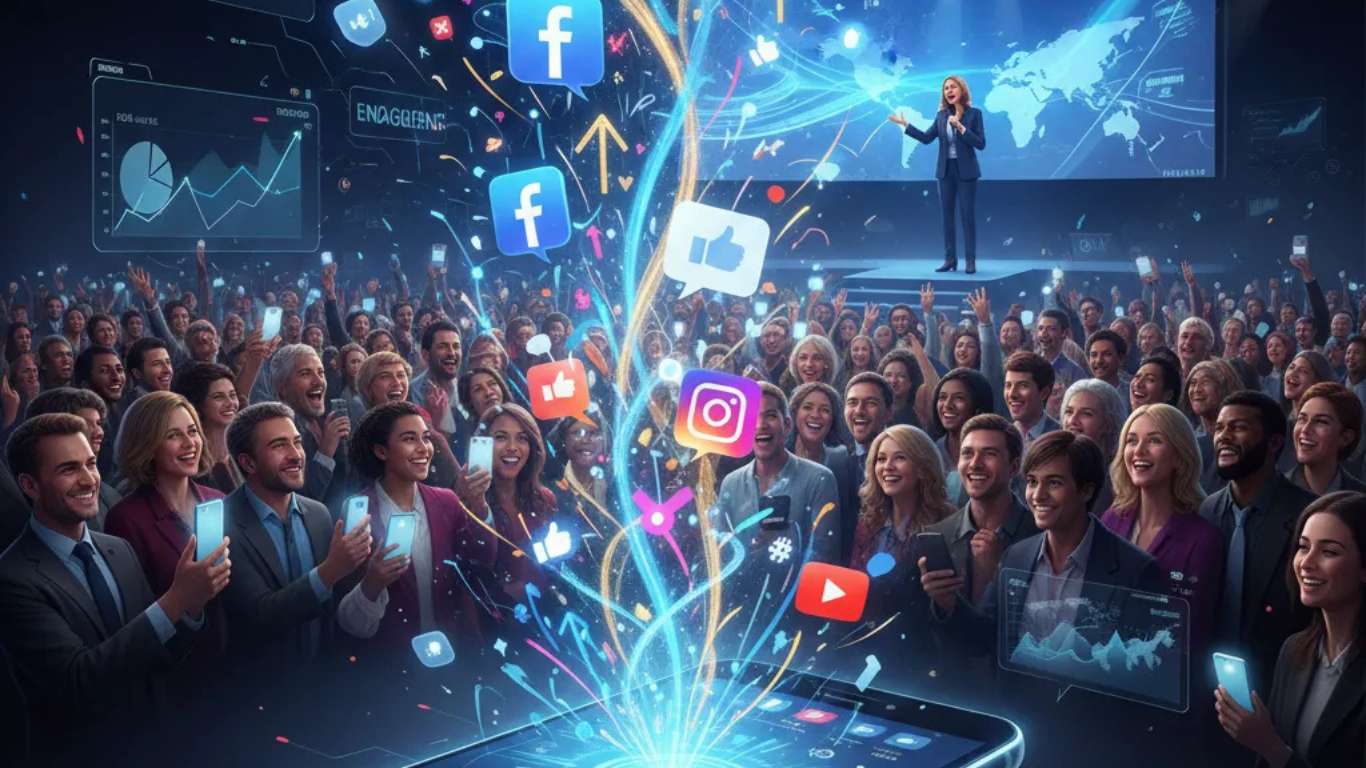
The rise of social media has transformed the way political campaigns are planned, executed, and experienced. Platforms such as Facebook, X (formerly Twitter), Instagram, and YouTube have become powerful tools for political communication, reshaping how candidates connect with voters and how citizens engage with politics. In the modern era, social media is no longer optional for political campaigns—it is a central strategy that influences public opinion, voter turnout, and even election outcomes.
The Shift from Traditional to Digital Campaigning
In the past, political campaigns relied heavily on traditional media such as television, radio, newspapers, and public rallies. While these channels still play a role, social media has introduced a faster, more direct, and more interactive approach. Candidates can now communicate with millions of voters instantly, without relying on intermediaries like journalists or broadcasters. This shift has reduced campaign costs and leveled the playing field for smaller or less-funded candidates.
Direct Engagement with Voters
One of the most significant impacts of social media on political campaigns is its capacity to enable direct engagement with voters. Politicians can share messages, respond to questions, and address concerns in real time. This two-way communication fosters accessibility and transparency, helping candidates build trust and personal connections with their audience. Live streams, comment sections, and interactive polls allow voters to feel involved in the political process rather than being passive recipients of information.
Targeted Messaging and Data-Driven Strategies
Social media platforms provide campaigns with detailed data and analytics that allow for highly targeted messaging. Political teams can tailor their content based on age, location, interests, and online behavior. This micro-targeting enables campaigns to deliver personalized messages that resonate with specific voter groups. While this approach increases efficiency and effectiveness, it has also raised concerns about data privacy and ethical boundaries.
Influence on Political Narratives and Public Opinion
Social media plays a crucial role in shaping political narratives. Trending hashtags, viral videos, and shareable posts can rapidly amplify messages and influence public discourse. A single post or clip can reach millions within hours, shaping opinions and dominating news cycles. As a result, campaigns focus on creating emotionally engaging and easily shareable content to capture attention in crowded digital spaces.
Mobilizing Supporters and Increasing Voter Turnout
Modern political campaigns use social media not only to inform but also to mobilize supporters. Platforms are used to organize rallies, encourage voter registration, promote early voting, and remind citizens of election dates. Grassroots movements have gained momentum through social media, allowing volunteers and supporters to coordinate efforts efficiently. This digital mobilization has been particularly effective in engaging younger voters who are less likely to consume traditional media.
The Role of Influencers and Digital Personalities
Influencers and online personalities have become unexpected yet influential players in political campaigns. Endorsements or political commentary from popular creators can significantly impact their followers’ opinions. Campaigns increasingly collaborate with influencers to reach niche audiences and younger demographics. While this strategy expands reach, it also blurs the line between entertainment and political discourse.
Challenges: Misinformation and Polarization
Despite its advantages, social media has also introduced significant challenges to modern political campaigns. The rapid spread of misinformation and fake news can mislead voters and undermine trust in democratic processes. False narratives, manipulated content, and deepfake videos can circulate quickly, making it difficult for voters to distinguish fact from fiction. Additionally, social media algorithms often create echo chambers, reinforcing existing beliefs and increasing political polarization.
Regulation and Platform Responsibility
As social media’s influence grows, governments and platforms face increasing pressure to regulate political content. Efforts to label political ads, fact-check content, and remove harmful misinformation are ongoing. However, balancing free speech with responsible content moderation remains a complex challenge. Campaigns must navigate these evolving rules while maintaining transparency and credibility.
The Future of Political Campaigns in the Digital Age
Looking ahead, social media is expected to play an even larger role in political campaigning. Advances in artificial intelligence, data analytics, and digital storytelling will further shape how candidates communicate. Virtual town halls, AI-generated content, and immersive digital experiences may become standard campaign tools. At the same time, greater emphasis on digital literacy will be essential to help voters critically evaluate online political content.
Conclusion
Social media has fundamentally reshaped modern political campaigns by changing how candidates communicate, engage, and mobilize voters. It has democratized political messaging, increased participation, and accelerated the spread of information. However, it has also introduced challenges related to misinformation, privacy, and polarization. As technology continues to evolve, the influence of social media on politics will only deepen, making responsible use and informed engagement more important than ever for the health of democratic systems.